Stardust and the Stories We Tell
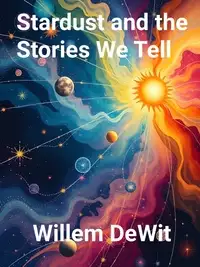
Stardust and the Stories We Tell – A Cosmic Exploration of Humanity’s Narrative begins with a reflection on humanity's cosmic origins, reminding readers that every atom in their bodies was forged in the hearts of stars. DeWit emphasizes the importance of recognizing our cosmic heritage, as it reshapes the stories we tell about ourselves and our future. This theme of interconnectedness runs throughout the book, linking the evolution of the universe to the evolution of human culture and consciousness.
One of the central themes is the tension between humanity's cosmic potential and the challenges of modern life. DeWit discusses the "Age of Disconnection," where technological advancements have led to environmental crises and existential despair. However, he argues that this disconnection is not inevitable and that we have the power to change the narrative. By embracing our role as stewards of the Earth and conscious participants in the universe's unfolding drama, we can rediscover our place in the cosmos.
The book also delves into the evolution of human consciousness, exploring how the neocortex and language have enabled humans to create complex cultures and societies. DeWit highlights the importance of cultural narratives in shaping our identities and behaviors, suggesting that these stories can either limit or liberate us. He calls for a new story—one of connection, purpose, and awakening—that can guide humanity toward a more sustainable and meaningful future.
Strengths and Appeal
Stardust and the Stories We Tell stands out for its interdisciplinary approach, seamlessly integrating cosmology, neuroscience, cultural studies, and environmental science. DeWit's writing is both poetic and accessible, making complex scientific concepts understandable to a general audience. The book's emphasis on interconnectedness and the power of storytelling is particularly compelling, offering readers a new perspective on their place in the universe.
The book's call to action is another strength. DeWit not only diagnoses the problems of modern life but also offers practical solutions, drawing on indigenous practices, non-Western philosophies, and local sustainability models. This grounded approach makes the book both inspiring and actionable, encouraging readers to rethink their relationship with the natural world and each other.
Critique and Reflection
While the book is deeply rooted in scientific and philosophical theories, it also ventures into speculative territory, particularly in its discussions of the future of humanity and the role of technology. Some readers may find these sections less grounded in empirical evidence, but they serve as valuable prompts for reflection and discussion.
One potential limitation is the book's broad scope, which covers a wide range of topics in relatively few pages. While this makes the book accessible, it also means that some concepts are not explored in as much depth as they might be in a more specialized work. However, this breadth is also a strength, as it provides a comprehensive overview of the journey from stardust to self-awareness.
Conclusion
Stardust and the Stories We Tell is a captivating and thought-provoking book that bridges the gap between science, spirituality, and cultural reflection. Willem DeWit's exploration of humanity's cosmic origins, the evolution of consciousness, and the challenges of modern life offers readers a profound sense of connection to the universe. The book's interdisciplinary approach, poetic writing, and emphasis on interconnectedness make it a compelling read for anyone interested in the big questions of existence.
Whether you're a scientist, a philosopher, or simply a curious reader, Stardust and the Stories We Tell will leave you with a deeper appreciation for the intricate web of life and the universe's endless potential for creativity and transformation.