On Meaning: Purpose in the Age of A.I.
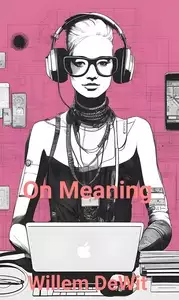
On Meaning begins by addressing the fundamental question of whether life has inherent meaning. DeWit argues that the universe, from a scientific perspective, lacks intrinsic purpose, but humans are biologically and psychologically driven to create meaning. This need for meaning is explored through various cultural and religious responses, from ancient Greek philosophy to Indigenous African rituals, highlighting the diversity of human approaches to purpose.
One of the central themes is the role of the brain in meaning-making. DeWit explains how the prefrontal cortex, limbic system, and neurotransmitters like dopamine and serotonin contribute to our ability to assign significance to our experiences. The concept of neuroplasticity is also discussed, emphasizing the brain's capacity to adapt and find new meanings throughout life.
The book also examines the impact of modern challenges on meaning-making, such as secularization, technological disruption, and cultural fragmentation. DeWit explores how these forces have led to a "crisis of meaning" in contemporary society, where traditional sources of purpose—religion, family, and community—are increasingly eroded. However, he also highlights opportunities for creating new forms of meaning through creativity, community engagement, and personal reflection.
Strengths and Appeal
On Meaning stands out for its interdisciplinary approach, weaving together insights from anthropology, psychology, neuroscience, and philosophy. DeWit's writing is both accessible and thought-provoking, making complex ideas understandable to a broad audience. The inclusion of practical exercises, such as journaling and mindfulness practices, provides readers with tools to actively engage with the concepts discussed in the book.
The book's emphasis on cultural diversity is particularly compelling. DeWit draws on examples from around the world, from the Maasai warriors of Kenya to the tech entrepreneurs of Silicon Valley, illustrating how different cultures and individuals navigate the search for meaning. This global perspective enriches the narrative and encourages readers to reflect on their own cultural and personal contexts.
Critique and Reflection
While the book offers a broad and inclusive view of meaning-making, some readers may find that certain topics are not explored in sufficient depth. For example, the discussion of technology's impact on meaning, while insightful, could benefit from a more detailed analysis of specific digital platforms and their psychological effects.
Additionally, the book's optimistic tone and focus on self-generated meaning may not resonate with readers who are grappling with profound existential crises or mental health challenges. While DeWit acknowledges the difficulties of finding meaning in a fragmented world, some may feel that the solutions offered are overly simplistic or idealistic.
Conclusion
On Meaning is a rich and thought-provoking exploration of one of humanity's most enduring questions: What gives life purpose? Willem DeWit's interdisciplinary approach, combined with practical exercises and a global perspective, makes this book a valuable resource for anyone seeking to understand and cultivate meaning in their own lives.
Whether you are a student of philosophy, a professional navigating the complexities of modern life, or simply someone searching for deeper purpose, On Meaning offers a compelling and accessible guide to the art of meaning-making in the 21st century.